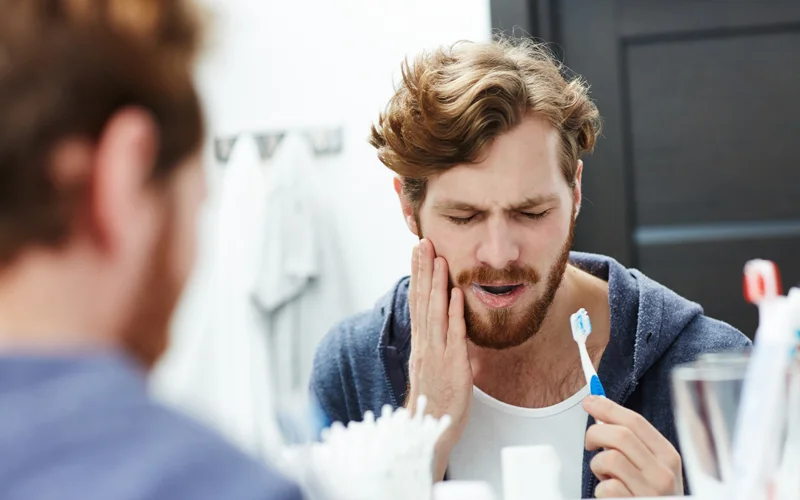
Patients are watching DIY dentistry videos on TikTok and YouTube. As trained medical professionals, dentists and dental care teams should be prepared to talk about the risk of harm to teeth and possible long-term health risks.
Thanks to America’s do-it-yourself (DIY) mentality, “dental hacks” are proliferating on social media channels such as TikTok and YouTube. This is putting millions of Americans, especially young people, at risk of losing their teeth or even their lives when they try scientifically unproven dental treatments.
More than 20 million Americans have watched bogus dental videos on TikTok, according to the Oral Health Foundation. This is a dangerous trend, which can harm teeth, gums and a person’s overall health. It’s also dangerous because TikTok’s audience skews young, opening the potential for long-term, life-altering damage.
As a highly educated dental practitioner, it’s hard to see people prioritize DIY dentistry over science-based advice. Worse, when your patients try to hack their own dental health, it puts you in the uncomfortable position of “cleaning up the mess” when their homegrown treatments go wrong.
A better approach is to provide more patient education. Start by monitoring social-media hashtags such as “#DIYdentistry” or “#dentalhack” to see what ideas are circulating on TikTok, YouTube, Facebook, and other social media platforms. Warn your patients about these in your newsletter, blog, or website and when they come in for preventative care.
Here are eight examples of online, DIY dentistry “hacks”:
- Using Magic Erasers to brighten yellow teeth: On TikTok, multiple videos recommend using this product to whiten teeth. The erasers are inexpensive and may already be in people’s homes, which means they pose a big threat. Magic Erasers contain the toxic chemical melamine, which causes irritability, difficulty urinating and other problems such as vomiting, nausea and diarrhea. Ironically, the erasers scrape off tooth enamel, which is white, leaving the yellow dentin underneath. This defeats the original purpose of the treatment. Worse, without dentin, teeth can get more sensitive to heat or cold. If patients are concerned about their yellow teeth, advise them to come in for a dental consultation. After reviewing their current situation, you can recommend a safe and effective in-office or over-the-counter solution that fits their budget and needs.
- Closing gaps between teeth with rubber bands: Orthodontic treatments can take a long time and cost a lot of money. As a result, many patients, especially younger ones, like to use rubber bands to move their teeth around. What they don’t know is that this can exert too much pressure and damage roots. In a few years, their teeth may start to hurt or get loose. Patients who try this hack also run the risk of infection, which can lead to gum disease, bone erosion and tooth loss. Advise your patients that it’s better and safer in the long run to move teeth through approved orthodontic treatments than it is to experiment with rubber bands purchased at an office-supply store.
- Using nail files to reshape teeth: Many patients are unhappy with the appearance of their teeth. However, instead of consulting with their dentists, they use a nail file to reshape them. The problem with self-grinding is dentin damage. As with Magic Erasers, using a nail file can remove too much enamel, harming the dentin underneath. This can leave patients with permanent sensitivity. If they grind teeth down too far, they can expose the nerve and cause an infection. Left untreated, infections can produce serious health problems. A better approach: advise your patients to consider odontoplasty and enameloplasty. These involves using an approved sanding disk to minimally shave a tooth to the patient’s desired shape.
- Using hydrogen peroxide to whiten teeth: Many people have yellow teeth due to drinking too much coffee and tea or having to take certain medicines. Many self-proclaimed TikTok “dentists” recommend taking a slug of pure hydrogen peroxide and swishing it around in one’s mouth for a few minutes. Alternatively, they recommend applying it to teeth with a Q-tip. The problem with this treatment is that prolonged bleaching with pure hydrogen peroxide, especially for multiple days in a row, can injure gums and lead to heightened tooth sensitivity. This is especially true when the peroxide isn’t sufficiently diluted. Again, tooth whitening is an area where affordable, effective treatments exist. Reminding your patients of this might deter them from dabbling in potentially injurious DIY whitening.
- Mixing mouthwash and toothpaste in one dispenser: Someone on TikTok had the bright idea of combining mouthwash and toothpaste in one container. This would allow people to combine both dental-hygiene tasks into one step. This is problematic for several reasons. First, the reason toothpaste goes into an opaque container is to protect it from UV light. When you place it in a clear container, UV radiation will degrade it, making it less effective over time. Applying mouthwash with a toothbrush can be dangerous, as well, because teeth begin to dissolve at a pH of about 5.5 or lower. Since mouthwash has an acidic pH, brushing it on will augment its erosive effect. Having your dental hygienists review the basics of dental self-hygiene will go a long way toward defusing this treatment.
- Whitening teeth with banana skins: One recommendation making the rounds is to rub the underside of a banana skin on one’s teeth to whiten them. For some reason, people think the skins have a chemical property that bleaches teeth. What the peel does have is fructose, a type of sugar that when combined with plaque forms acid that breaks down enamel.
- Flossing teeth with hair strands: Thanks to DIY dental videos, many people have begun flossing their teeth with strands of their own hair. Flossing is a crucial dental- hygiene technique that promotes healthy teeth and gums. It prevents plaque build-up between the teeth and the formation of calculus at the gum line. But patients should use proper floss, not their own hair, which can cause gum trauma. Again, proper hygienist instruction can prevent patients from experimenting with hair flossing.
- Doing DIY plaque removal: Related to hair flossing is removing one’s plaque using a scraper tool. These instruments are extremely sharp. When used improperly, they can puncture the gums, leading to bleeding and infection. Gum trauma also can promote recession and hypersensitivity to temperature and pressure, not to mention damage to the tongue, cheeks and other oral tissues, which can result in infections or worse.
Patients who treat their own dental conditions rather than seek input from highly trained professionals are on a dangerous path. Putting sharp instruments in their mouths, ingesting potentially toxic substances and subjecting their teeth to excess force can lead to injuries, life-long complications and even death. Ask your patients if they are watching DIY dentistry videos on TikTok online. If they are, take the time at the end of an exam to help them understand the risks inherent in what they are watching.
Having dental malpractice insurance is an essential element of every dentist’s risk-management program. Learn more about the Dentist Malpractice Insurance Program from 360 Coverage Pros.


Share this page.