Your clients rely on you to send them to safe countries and properties around the world. Here are eight ways not to disappoint them.
Prior to the COVID pandemic, safety was often an afterthought for global travelers. It was something to consider when selecting a travel destination or package, but it wasn’t always the primary consideration. Then came the 2020 pandemic. Safety immediately rocketed to the top of every traveler’s and travel advisor’s agenda.
Today, as the industry slowly returns to normal, consumers want their future trips to be planned with safety in mind. They not only want to avoid catching COVID—or getting stranded abroad if the virus flares up at their location—they also want to avoid accidents so they can return home alive and in one piece. Travel advisors who give short shrift to these concerns may pay the price in terms of finding and retaining customers.
Global Rescue’s Traveler Sentiment and Safety Survey opens a window into the minds of today’s safety-conscious consumers. According to the company’s 2021 survey, 78% of respondents said they were “much less” or “less” concerned about travel safety this year than they were in 2020. However, 22 percent said they were “more” or “much more” concerned about health and safety planning today than in 2020. This concern has also changed how they approach trip planning. The survey revealed that 54 percent of 2021 travelers now wish to avoid crowded destinations and places with insufficient medical facilities.
Understand the Risks of Travel
Since you’re the person responsible for planning safe client itineraries, it’s helpful to understand the risks your clients face while abroad. According to macroeconomist Jay L. Zagorsky, about three million U.S. citizens are traveling abroad on any given day. In 2018, the last year for which data is available, 724 Americans died from unnatural causes while on a foreign trip. This includes deaths from terrorist attacks, airplane crashes and motor vehicle accidents. Since 56 million Americans flew to an international destination in 2018, the percentage hurt or killed in an accident or attack was tiny.
Zagorsky also said the leading cause of death for U.S. foreign travelers was motor vehicle accidents, killing 167 Americans in 2018. Again, this represented a minute share of the total number of Americans who traveled abroad that year.
Even though fatalities may appear rare, traveling is far from risk-free. The U.S. State Department’s travel advisory website displays the many ways your clients can run into trouble abroad, potentially creating legal liability for your business.
Whether your goal is to address client concerns about post-COVID travel or prevent accidents, illnesses, or cultural/geographical mishaps while clients are abroad, it’s crucial to take safety seriously. Here are seven additional tips that will help you achieve that goal.
1. Make Good Use of the U.S. State Department Travel Advisories.
If you want to plan safe itineraries, the U.S. State Department is your friend and colleague. Its travel advisory website includes consular information sheets for all foreign countries. If you’re not already studying these, start doing so today. They will provide you with relevant travel warnings that may change your mind about sending clients to certain high-risk locations.
Also, consider registering for the State Department’s Smart Traveler Enrollment Program (STEP). With STEP, your customers can register their trips with the department, which will send them alerts when conditions change. As a travel advisor, you can use STEP to monitor global safety from the comfort of your office. Just select the countries you want to monitor and the department will send you safety alerts as they occur in real-time.
Another government resource is the Overseas Security Advisory Council (OSAC), a public-private partnership between the U.S. State Department’s Bureau of Diplomatic Security and large corporations and businesses that operate around the world. OSAC produces analytic papers, country security reports, travel advisories and alerts, and a toolkit that should be of interest to your clients.
The U.S. government is super-cautious when it comes to keeping American citizens safe. Some would argue they’re overly cautious, giving major emphasis to risks unlikely to affect average travelers. Your job is to filter government guidance through your own experience and judgment. You don’t want to promote excessive fear, which will keep your clients at home and put you out of business. You do want to help them make decisions with their eyes wide open. At the end of the day, help your clients understand that only they can decide where and when to travel, not you.
2. Track Foreign Media and U.S. Publications that Cover International News.
Many travel advisors follow the news in the countries they send clients, especially security developments. Subscribing to foreign newspapers or their electronic newsletters will make you aware of security crises as they unfold. The State Department will at some point assess and publish alerts on these events. But developing your own media sources in selected countries can help you stay on top of late-breaking developments. Consider subscribing to high-quality newspapers and magazines that cover foreign affairs and global security. Among these are The New York Times, The Wall Street Journal, The Washington Post and The Economist. Following BBC News is also a great way to remain informed about world crises, especially in Africa and Asia.
3. Subscribe to commercial services that report on global security conditions.
If you want private-sector global security experts to guide your trip planning, there is no shortage of players. For an annual subscription fee, firms such as Global Security Solutions and many others provide travel threat briefings to help travel professionals plan safe client journeys.
4. Tap Into Travel Suppliers and Host Agencies for the latest security information.
Travel suppliers will normally be excellent sources of security information. Subscribe to their newsletters, register for breaking updates and follow their Twitter accounts. The same is true for your Host Agency (if you use one). As a clearinghouse for travel advisor product information, marketing, networking and more, your host agency can help you stay informed about travel in various areas of the world. If your host is concerned about travel to a specific country or site, you should be, too.
5. Plan COVID-safe trips.
As mentioned earlier, travelers now understand the importance of cleanliness in reducing COVID transmission. That means you, as their travel advisor, must give thought to ancillary considerations such as cleaning policies for all of your travel suppliers. The good news is the travel industry has responded aggressively to assure public health. A key element is the global “SafeTravels” stamp, which hotels, restaurants, airlines, cruise lines and more use to show their support of the new global health and hygiene protocol. Of course, compliance with guidance from the U.S. Centers for Disease Control (CDC) and the World Health Organization (WHO), as well as regulations in the European Union and individual countries, are essential to promote traveler confidence.
Sending your clients to locations that promote social distancing may also be a smart strategy. For those clients who wish to take a 2021 trip on a COVID-safe basis, consider recommending alternatives that don’t involve walking crowded city streets or busy indoor venues such as museums. That means sending them to secluded villas or small hotels where they can relax indoors and outside without coming into contact with the tourist hoards. U.S. wild-west ranch vacations or African safaris are made to order for our times, as are visits to U.S. national parks.
The above strategies are essential for planning safe itineraries. But safety also depends on how clients themselves prepare for their trips and behave once they arrive.
6. Encourage clients to plan for their own safety abroad.
The U.S. State Department recommends consumers make various safety preparations before launching their trips. Here are some of the major ones:
- Read the consular information sheet for their destination country. This will make them aware of any late-breaking security threats and locations to avoid.
- Spend time at the library or on the internet learning about the country’s legal system and customs. The goal is to avoid spending time in jail.
- Make two photocopies of the following items: passport identification page, airline tickets, driver’s license (or state ID card), traveler’s check serial numbers and credit cards. Bring one copy with them and leave the other back home with a friend or relative. By having back-ups, clients will be well prepared to deal with the loss or theft of their essential travel documents.
- Leave a copy of their itinerary with a relative, friend or co-worker.
- If they take prescription drugs, bring a list of each drug’s brand and generic name. If they take a prescription narcotic for pain, check to see whether its use is prohibited in their destination country. If they take tranquilizers or amphetamines, they should be aware some Middle Eastern countries consider them to be illegal drugs. Taking or even possessing them could land clients in serious trouble.
- Travel as light as possible. Your customers want to be able to get around easily without needing help to transport their belongings.
- If they’re traveling in a foreign country for more than two weeks—or visiting a high-risk country—they should register with the U.S. consulate or embassy soon after they arrive. This will facilitate replacing a stolen passport or evacuating them during an emergency.
7. Advise Clients to Adopt Safe Travel Practices.
One might argue that you can only do so much to keep your clients safe when they’re traveling abroad. Recommending a safe location is a great starting point. Then providing essential safety and emergency contact information in their tour/trip folder will help them in the unlikely event they suffer an injury or illness. Ultimately, it’s up to your clients to take responsibility for their own safety by avoiding dangerous places, people, or situations while abroad. Courtesy of the U.S. State Department, here’s some safety advice you should share with all clients prior to departure:
- Remind them that when they’re in a foreign country, local law prevails. If they get arrested for any reason, the Constitutional freedoms guaranteed to all U.S. citizens may not necessarily apply. The best thing they can do is notify the U.S. consulate of their arrest, which will monitor their situation.
- Avoid dressing as a tourist or flashing expensive jewelry, camera gear or smartphones.
- Avoid traveling with lots of cash and valuables. Instead, use credit cards and traveler’s checks. Always lock passports in their hotel safe and only carry a copy of their passport information page with them.
- Wear their bag’s shoulder strap across their chest, with it facing away from the street to prevent drive-by snatchings.
- Maintain situational awareness at all times and walk confidently as if they know where they’re going. And if they’re lost, seek assistance only from those in authority (police, soldiers, hotel employees).
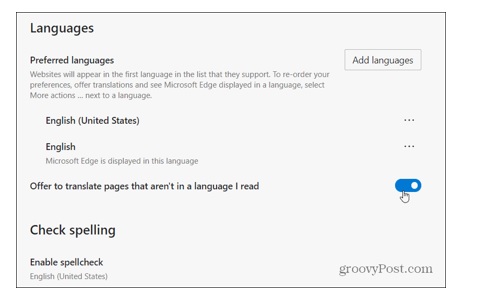
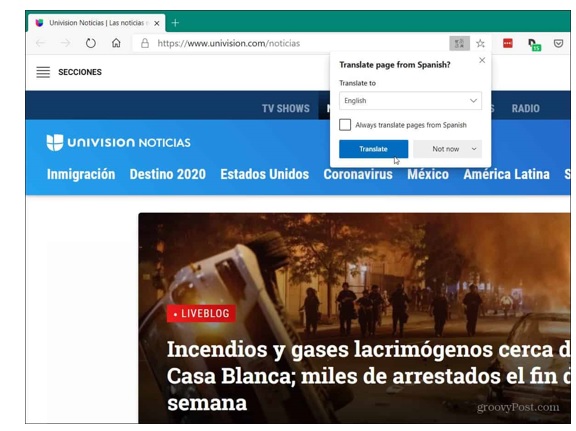
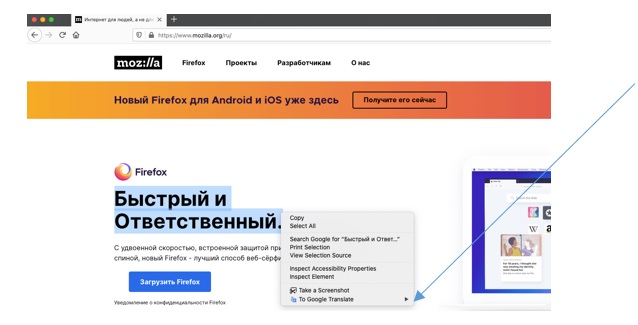
- Learn a few phrases in the local language and/or carry a phrasebook or smartphone translation app.
- Carry emergency information with them, both on their phone and on paper. This includes their hotel name, address and phone number, along with contact information for the U.S. consulate and local police. Also, research in advance where they’d like to be taken in the event of a medical emergency. Some hospitals might provide higher-quality care and have more English-speaking medical staff.
- Be careful of what they tell local residents. Don’t reveal where they’re staying now or later on their trip. However, don’t hesitate to ask locals whom they trust about what areas are safe to visit and when. Again, hotel concierges and front-desk staff are invaluable sources.
- Be careful when taking photos of local sites. Government buildings are often considered to be sensitive, so ask before photographing them. Also, in some countries, it’s illegal to take photos of people without their permission. If clients enjoy street or urban photography, warn them to photograph local people with great discretion. And while we’re on the topic of photography, remind your clients to never do anything dangerous in order to capture a click-worthy photo or video for Instagram or TikTok. No viral photo is worth getting hurt or dying.
- Since many countries lack the food and water safety the developed world enjoys, be sure to advise your clients about what to avoid eating or drinking while traveling.
- Finally, your clients should pack a basic first-aid kit to help with routine problems such as upset stomachs, sunburn, cuts, headaches and the like.
Protect Yourself with Travel Agent E&O Insurance
Whenever one of your clients has a negative experience during a trip you designed, it’s possible they’ll file litigation or complaints against you. Whether the problem arises from them getting injured or from getting stranded in a remote location, you may be financially responsible for repaying their loss. Maintaining an errors and omissions insurance policy can help prevent you from paying attorney’s fees, settlements, or damages out of your own pocket. If you have E&O coverage, your insurer will:
- Provide a defense attorney(s) every step of the way
- Claims adjusters to handle your case
- Expert witnesses to support your decisions and adherence to duty of care
- Payment for court administrative expenses, records and other documents.
- Expenses for legal settlements, judgments and damages against you should you lose your case in court.
The total cost to resolve your case can easily reach six figures or more. Without insurance, a travel agent or agency is creating a situation where they are gravely exposing their livelihood, leaving business and personal assets vulnerable to out-of-pocket expenses.
What to Look for in E&O Insurer
Given the importance of protecting your travel business against client lawsuits and the perception of negligence, it’s crucial to pick an insurer that will stand behind you. Here are some things to consider:
- Easy, online application processes with instant certificate of insurance issuance
- Competitively priced coverage from an insurance provider with a presence at professional travel conferences and industry events
- Access to a 24/7 risk management hotline and attorney to course-correct potential incidents before they escalate into litigation against you
- Best-in-class customer support
- Established carrier strength with at least “A” (Excellent) ratings from insurance analysts like A.M. Best
- Comprehensive coverage for your business name and all employees or independent contractors working for you
- Risk management content to promote safer business practices
If you’re looking for an E&O insurance provider, consider 360 Coverage Pros. We offer a strong value proposition for travel agents and agency owners: experience serving travel professionals, comprehensive protection, highly rated carriers and a convenient online shopping platform. If you’re paying too much for your current policy or are in the market for your first policy, check out your options at 360 Coverage Pros.
360 Coverage Pros offers Errors and Omissions (E&O) insurance programs for travel agents, travel agencies, tour operators, and meeting & event planners. Coverage is available for as low as $25.67 per month. To learn more, visit our website. Travel agents can also schedule a one-on-one consultation with the Program Manager.

Share this page.